Can Journaling Improve Creativity Even If You’re Not an Artist?
Yes, because creativity is more than just drawing. It's solving problems, spotting patterns, and making new connections. Journaling makes this process a regular habit, not just a rare event. You can try different methods like morning pages, bullet journaling, or art journaling.
Start with just 5–15 minutes in a quiet spot with tools you like. Think of daily journaling as a warm-up. Over time, you'll build a collection of ideas for projects and plans. This practice reduces stress and helps new ideas come to you more easily.
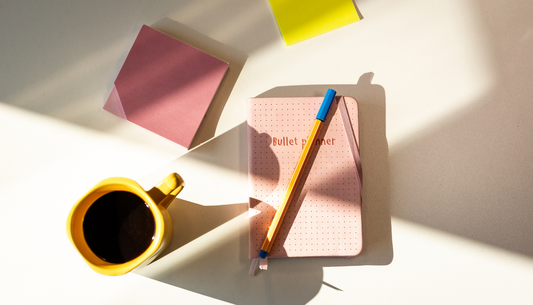
Don't worry if you can't draw. Non-artist bullet journaling is a great way to jot down tasks and thoughts quickly. Use stickers, washi tapes, and background papers to add color and structure. These tools make journaling fun and keep you coming back for more.
At coco captain’s dream, we believe anyone can grow confident with simple ideas. Try different journaling methods to find what works for you. With a pen, some decorations, and regular practice, your mind will start to wander and return with fresh ideas.

Ready to start? Choose a notebook you like, set a timer, and write whatever comes to mind. Keep it simple and consistent. Your next big idea might be just a page away.
Why Journaling Sparks Creativity For Everyone
Creativity is not just for artists or writers. It happens in many places like labs, offices, and classrooms. A simple notebook or notes app can turn ideas into action. With some creative journaling ideas and calm routines, anyone can start journaling with confidence.

Creativity as problem-solving beyond art
Journaling helps you see patterns and make better choices. Mind maps and free writes help organize thoughts. Simple non-artist bullet journaling layouts keep things organized without being complicated.
- Sketch quick mind maps to frame choices.
- Use short prompts to compare paths and risks.
- Mark themes with clear color combinations for faster recall.
Turning fleeting ideas into a useful library
Ideas come and go quickly. Write them down right away and tag them for later. Over time, your journal becomes a valuable resource for ideas and solutions.
- Keep a rapid-capture list using easy journaling tools.
- Group notes with color combinations so patterns stand out.
- Log sources, quotes, and tests for instant context.
Daily pages as a low-pressure creative warm-up
Use your journal like a warm-up exercise. A short free write can get your mind ready. These short sessions build confidence without worrying about perfection.
- Set a timer and write without editing.
- Try morning dreams, evening dumps, or one bold line.
- Use non-artist bullet journaling for quick wins.
Reducing stress to unlock creative flow
Stress can block your creativity. Journaling helps you clear your mind. By tracking your routines and where ideas come from, you can create the right conditions for creativity.
- Pair gratitude lists with a small plan for the day.
- Note breaks, energy levels, and outcomes.
- Highlight calm anchors with soothing color combinations.
Use prompts, mind maps, and goal tracking to create a flexible journaling system. Choose easy journaling tools that you'll use every day. With non-artist bullet journaling, you can keep things simple while gaining insights.
Mindsets That Build Beginner Journaling Confidence
See your notebook as a tool, not a trophy. This mindset boosts your confidence in journaling. At coco captain’s dream, tools like frame layout tape and pre-cut layouts help you start quickly and focus on your creativity.

Letting go of perfectionism and the “inner critic”
Perfectionism can stop you from creating. John Muir Laws says good work is better than perfect. Danny Gregory’s “Shut Your Monkey” shows ways to silence your critic.
Try free writing or blind contour lines to overcome judgment. Use a pen and a small palette to encourage happy mistakes.
Frame layout tape helps you set up a page fast. Pre-cut layouts from coco captain’s dream make it easy to jot down thoughts and notes. This structure boosts your confidence and encourages creativity.
“Sacrificial pancakes”: warming up without pressure
Think of the first page as a test. Let it be imperfect. Do a quick brain dump or a small sketch to get started.
Timed pages help you stay on track and reduce anxiety. Use simple scrapbook designs to make setup easy. Focus on words and shapes first, then refine later.
Comparing with your past self, not social media
Field pages are different from perfect spreads. Your best guide is your previous work. Celebrate small victories like clearer writing and steady lines.
Find your best work environment and stick to it. Use pre-cut layouts to keep your journaling habit. Over time, you'll feel more confident in your creativity.
Small steps to sketching and seeing like a creator
Kim McNett says if you can hold a pencil, you can draw. Start with simple shapes and labels. Jules Woolford’s approach makes each step easy.
Bayles and Orland say making lots of art improves your skills. Use frame layout tape for quick studies. With simple designs, your eye will learn to see shapes and patterns. These steps will make your pages come alive.
Creative Journaling Methods That Don’t Require Drawing
You can start a creative habit without drawing. Try sticker storytelling to track your mood, tasks, or achievements. Use cute character stickers and animal themes to show your feelings quickly. Embossed stickers add a touch that brings back memories.
Begin with a simple layout using cute washi tape. It helps create headers and frames for your journal. Color-code your themes to spot patterns easily. Use background stickers to keep your journal organized.
Layer different papers for a textured look. This adds depth to your journal. Nature journaling themes bring the outdoors in without needing to draw. Press leaves, date them, and add photos for a personal touch.
Keep your journal sessions short and fun. Five to fifteen minutes is enough to grow your ideas. At coco captain’s dream, you'll find tools like washi tape, stickers, and background papers. These help keep your journal pages colorful and easy to manage.
FAQ
Can journaling improve creativity even if I’m not an artist?
Yes, journaling can boost your creativity. It helps with problem-solving and recognizing patterns. You can try different methods like morning pages and mind mapping. What's important is to keep at it, not to worry about being perfect.
How does journaling spark creativity for everyone?
Creativity is more than just art. It's about solving problems and spotting patterns in our daily lives. Journaling helps capture your thoughts and explore new ideas. It builds a personal library that you can return to for inspiration.
How do I turn fleeting ideas into a useful library?
Catch your ideas quickly by jotting down notes. Use colors or washi labels to tag themes. Over time, your journal will become a treasure trove of inspiration, helping you plan and act faster.
What are daily pages and why do they work?
Daily pages are like a warm-up for your brain. Set a timer and write without stopping. This habit helps reduce fear and keeps your creativity flowing.
Can journaling help reduce stress and unlock creative flow?
Yes, journaling can lower stress and clear your mind. Try gratitude journaling or tracking your goals. Free writing can also help you reset and notice patterns, leading to more ideas.
How do I let go of perfectionism and the “inner critic”?
View your journal as a tool, not a work of art. Use timed exercises or simple lists to avoid judgment. Embrace mistakes and focus on making progress, not perfection.
What are “sacrificial pancakes” in journaling?
They're your first attempts at something new. They're essential for growth. Try quick sketches or mind maps to build your skills.
How can I avoid comparing my pages to social media spreads?
Compare yourself to your past self, not others. Field notes are often rough, while studio pages are polished. Focus on your own progress and create in the conditions that work best for you.
How can I start sketching if I don’t think I can draw?
Begin with simple shapes and labels. Use arrows and boxes to add structure. Try frame layout tape and pre-cut layouts to simplify your work.
What creative journaling methods don’t require drawing?
Try mind maps, gratitude lists, and habit trackers. Use stickers and washi tape to mark your progress. These methods are fun and don't need drawing skills.
How do I use washi tape to structure pages?
Use washi tape to create frames and headers. Color-code your themes for easy pattern spotting. This simple trick can make your journal pages more organized and useful.
How do background papers and layering help creativity?
Background papers and layering can spark your memory and inspire you. Add texture and depth to your journal with stickers and other embellishments. This makes your pages more engaging and open to further exploration.
What are simple tools for beginners?
Start with what you enjoy: a favorite journal, washi tape, and stickers. Use pre-cut layouts and simple designs to get started quickly and stay consistent.
How can I do nature journaling without drawing?
Press leaves and add labels to your pages. Include photos and notes about the weather. Keep your field notes brief and assemble a reflective spread later. Focus on your own process, not comparisons.
How does mind mapping work if I don’t sketch?
Start with a central idea and add branches as headers. Use arrows or washi frames to connect them. Sticky labels can help organize your thoughts without needing to draw.
What’s a good practice cadence?
Aim for short, daily sessions of 5–15 minutes. View early attempts as experiments. Over time, you'll build a valuable library of ideas and develop a reliable creative habit.
How do I choose color combinations that work?
Pick a main color and an accent. Use the main color for headers and the accent for highlights. Repeat these colors across your pages to make scanning for themes easy and intuitive.
How can I build confidence if I’m starting from zero?
Start small and reduce choices. Use pre-labeled stickers for goals and gratitude. Frame your pages with washi tape to create clear zones. Celebrate quick wins to build momentum and trust in your abilities.
Where does coco captain’s dream fit in?
At coco captain’s dream, you'll find tools to support your creativity. Journals, stickers, textures, and layouts are all designed to help you create without needing to draw. These resources are perfect for anyone looking to explore their creativity.